There is a difference between managing someone else's event and building your own from scratch.
Anyone can execute a brief. Very few people have conceived an event, funded it personally, marketed it with zero budget, stood at the venue before sunrise setting things up — watched a crowd of strangers walk in because of something they created — and then done it again, seven times, across seven years.
This is that story.
It is also the origin story of Event 1O1.
The Idea — Season 1, Holi 2017
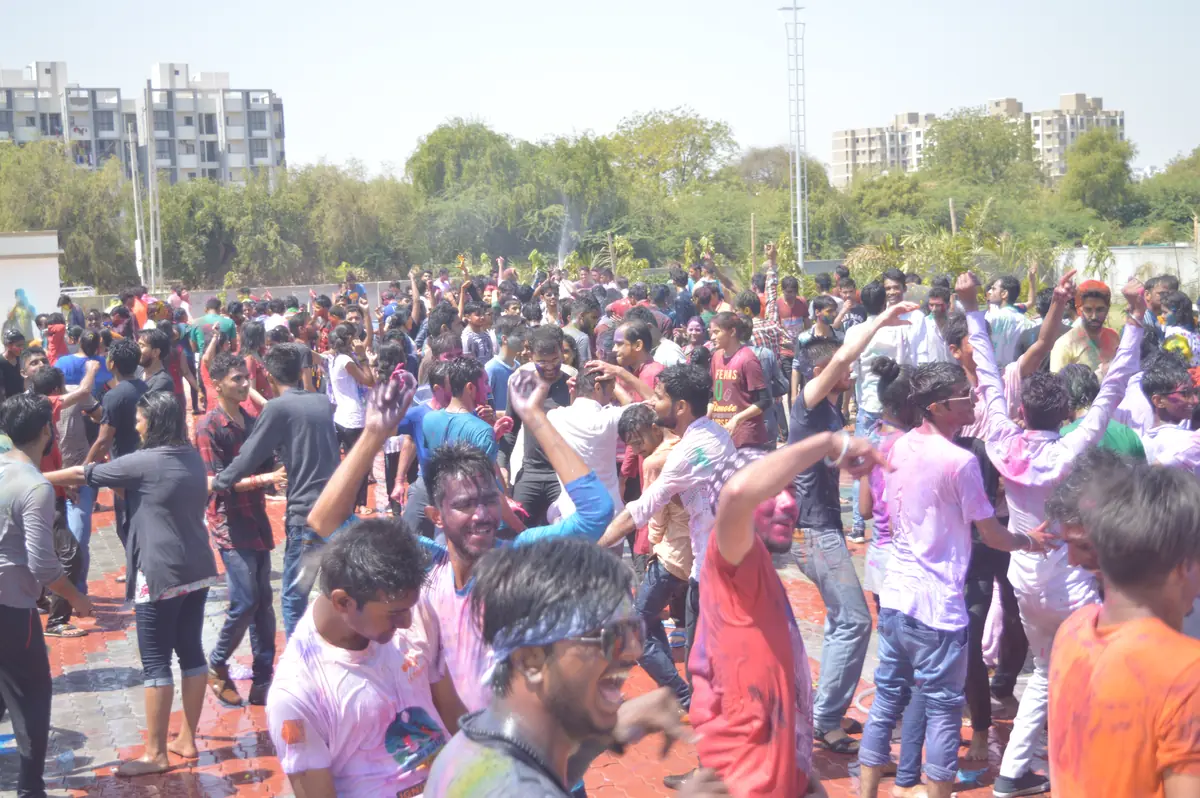
Go Pagal started with a simple observation: Ahmedabad had no real ticketed Holi party. There were society events, family gatherings, and the usual colour-and-water chaos — but nothing that felt like a properly produced event with music, energy, and a genuine reason to buy a ticket.
Nikhil was already DJing at that point — several years in — and he understood what made a crowd move. The idea was straightforward: produce a Holi event worth paying for.
The venue was a newly opened party plot in Chandkheda — capacity around 1,200 people. Marketing budget: zero. The entire promotion happened over WhatsApp. Two days of messages, group shares, and word of mouth.
Nearly 1,000 people showed up.
Season 1 broke even. No profit, no loss — but more importantly, no disaster. In the events business, a clean first edition is everything. It proves the concept works. It proves people trust you enough to buy a ticket without a brand name behind it. And it tells you one thing clearly: do it again.
Finding the Model — Season 2, Holi 2018
Season 2 was where Go Pagal stopped being an experiment and started being a business.
Production improved. Marketing was more deliberate. Ticket sales were stronger. For the first time, Go Pagal made money.
Not a large amount — but enough to prove the model. A ticketed Holi event in Ahmedabad had a market. Go Pagal had found it before anyone else did.
Going Wider — Season 3, Holi 2019
Season 3 brought two meaningful changes.
The first was food. Adding a food component to a ticketed event changes the experience entirely — people stay longer, the atmosphere improves, and the perceived value of the ticket increases. The crowd responded: Season 3 drew over 2,000 attendees, and the event turned a profit.
The second was discoverability. Go Pagal was listed on AllEvents for the first time — the beginning of moving from WhatsApp-only promotion to structured ticketing and event discovery platforms.
The brand was building.
The Season Nobody Expected — Season 4, Holi 2020
Holi 2020 fell on March 10th.
By early March, COVID-19 was a word Ahmedabad was beginning to use. There was uncertainty in the air. Across the city, event organisers were quietly cancelling or postponing. Most made the safe call and shut down.
Go Pagal did not.
Season 4 happened. Between 1,500 and 2,000 people attended. While most of Ahmedabad's Holi events either ran at a loss or did not run at all, Go Pagal delivered — and came close to breaking even.
Ten days later, on March 20th, India entered a complete national lockdown.
Go Pagal was, in every sense, the last one standing. Not by accident — but because enough trust had been built with the audience over three seasons that people showed up even when the world was uncertain. That kind of loyalty is not manufactured. It is earned, one event at a time.
2020 was also the year Go Pagal became official. GST registration. MSME certification. What had started as a personal project was now a registered business.
Two Years of Silence — 2021
The lockdown ended the events industry. No crowds. No venues. No Go Pagal.
The break forced a rethink. When the event returned, it would need to be more than it had been before.
The Comeback — Season 5, Holi 2022
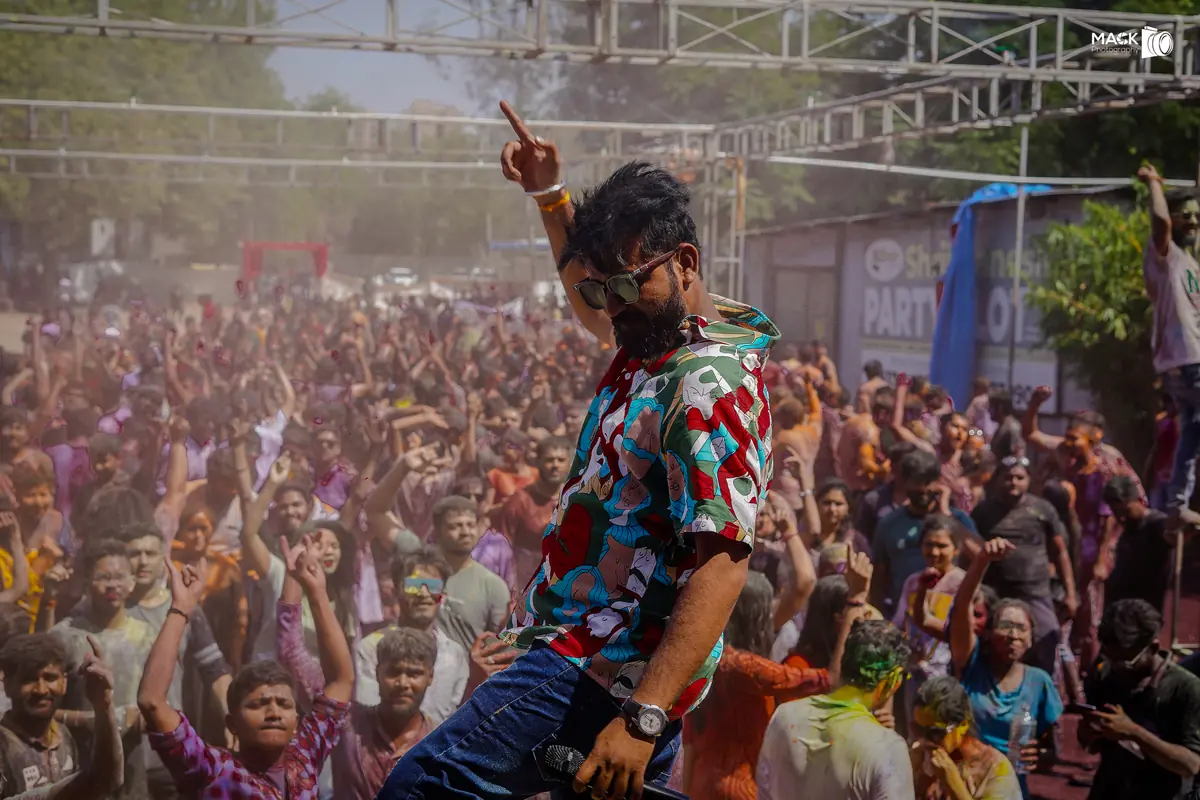
2022 was not a clean return. COVID protocols were still in effect. Government guidelines had to be followed. And there was one specific challenge unique to a Holi event: water. Rain dance — a staple of any Holi party — was off the table.
Go Pagal adapted. The event ran within the restrictions. And the audience showed up in numbers that had never been seen before — over 3,000 attendees.
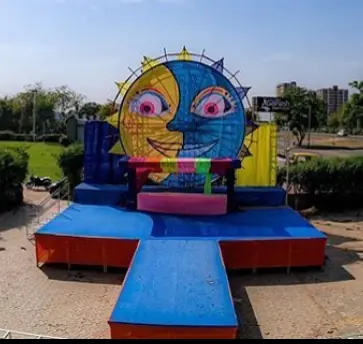
Season 5 also introduced something that set it apart visually. A 65-foot Sun backdrop was built for the event — enormous, intricate, with large eyes that were made to appear as though they were blinking in the event reel. It was one of the most striking pieces of production the event had ever seen, and it became the visual identity of Season 5 on social media.
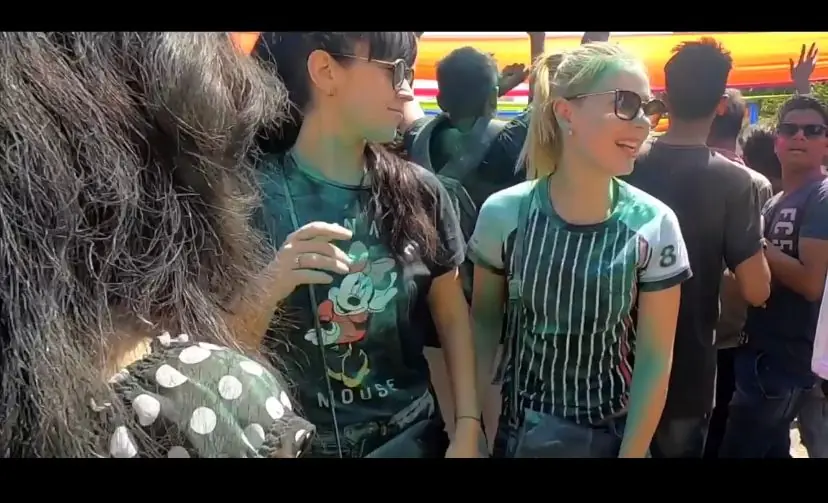
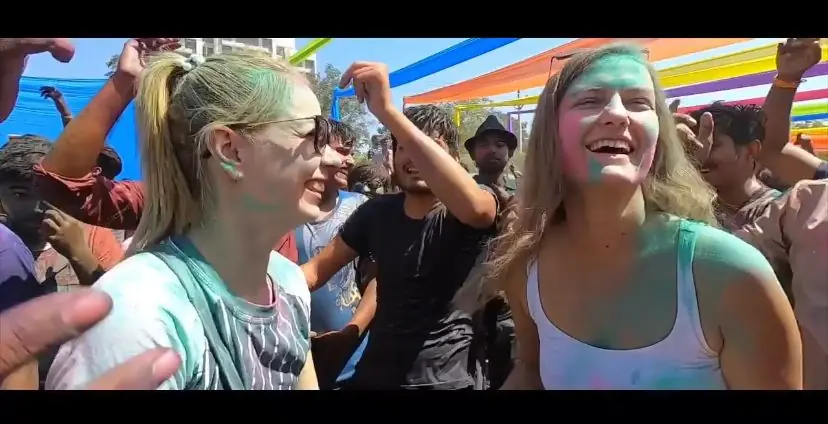
There was more. Russian attendees were in the crowd — not as invited guests, but as people who had heard about the event and came. Gujarati content creators performed on stage. The crowd was diverse in a way Go Pagal had not been before.
Season 5 was profitable. And it demonstrated something important: when people restrict you, you find better ways to create.
See the production in motion in the Go Pagal event video on YouTube.
The Ambition Season — Season 6, Holi 2023
By Season 6, Go Pagal had outgrown its original setup.
A new team was brought in. The event moved to Sindhu Bhavan — a significantly more premium location in a more upscale part of the city. For the first time, Go Pagal was listed on BookMyShow, expanding ticket distribution beyond AllEvents and direct channels.
The production was strong. The ambition was real.
The event made a loss.
The economics of a more expensive venue, a new team finding its footing, and higher production costs did not balance. Season 6 was Go Pagal's most expensive lesson.
The Pivot — No Pause Party, NYE 2023
A loss does not end a story. It redirects it.
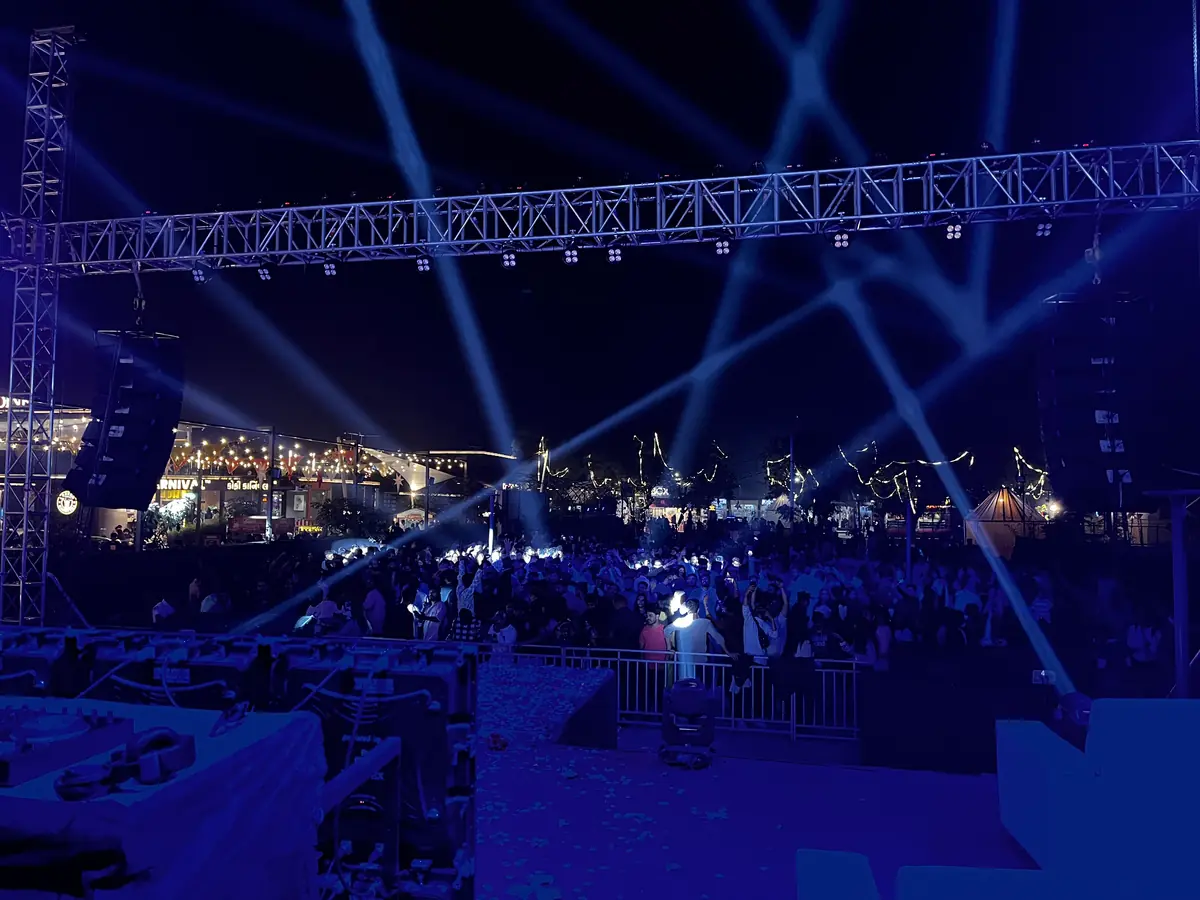
Later that same year, Nikhil organised New Year's Eve at Box Park — one of Ahmedabad's most recognised premium lifestyle destinations. The event was called No Pause Party.
Different format. Different audience. Different energy — but the same production standards that seven years of event building had developed. Over 2,000 people attended. The event was profitable.
The entrepreneur had not stopped. He had changed the format.
The Final Chapter — Season 7, Box Park Holi 2024
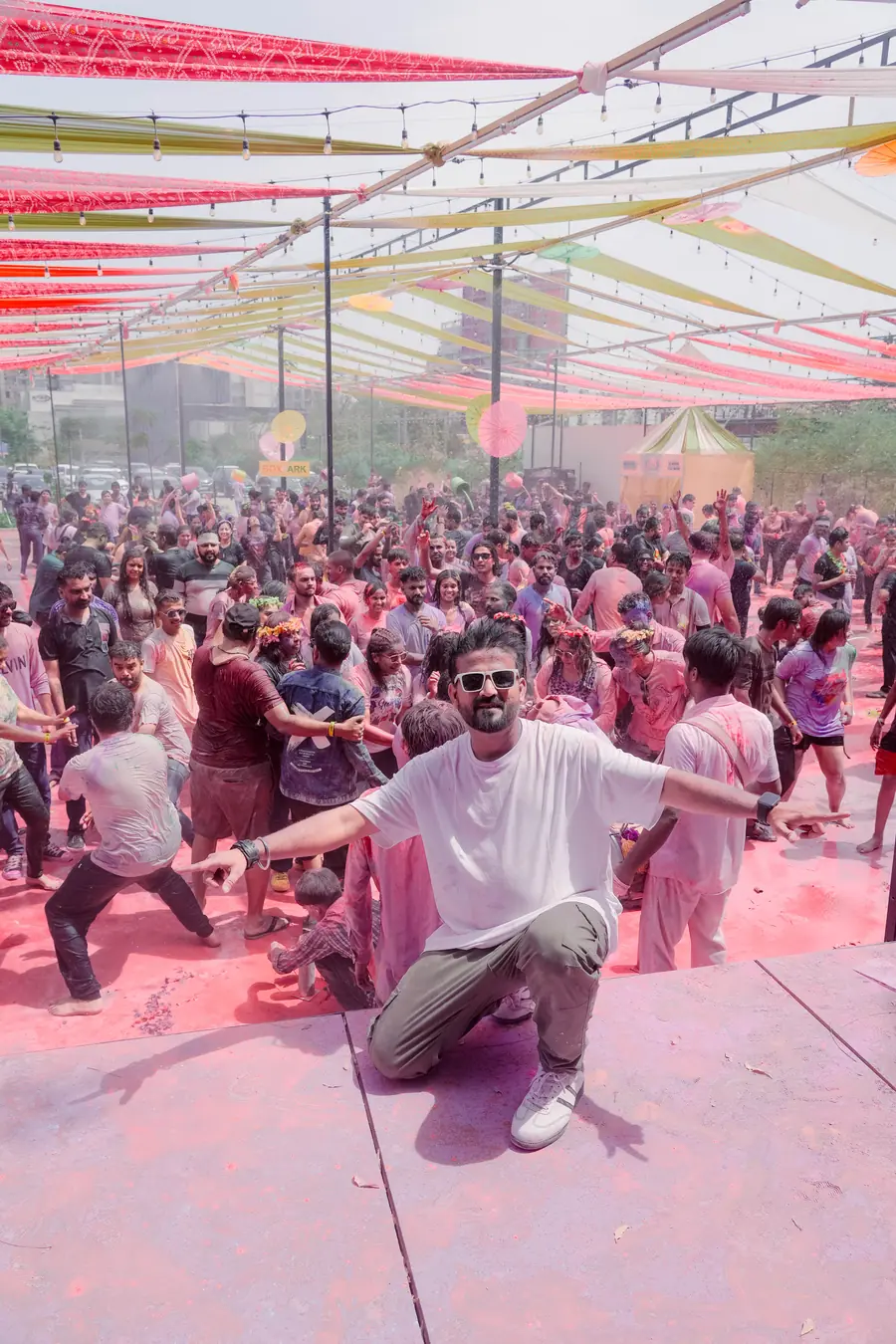
Season 7 was the most publicly recognised edition of Go Pagal's entire run.
Box Park Holi brought the event to a new venue, with a new team. 94.3 MY FM covered it — a radio interview ran ahead of the event. A newspaper feature covered the event itself.
And Go Pagal made a loss for the second consecutive season.
The pattern was clear. For the first five seasons, Go Pagal had been built with consistency — the same core approach, the same geographic roots, a deep understanding of what the audience expected and what the economics required. The final two seasons had introduced new teams, premium venues, and higher cost structures. The revenue did not follow.
The decision to stop was made with full information and complete clarity.
Seven seasons. Thousands of attendees. Real media coverage. A legitimate, city-recognised brand. And then a clean exit — not as a failure, but as a business decision made by someone who understood exactly what the numbers were saying.
What Came Next
Stopping Go Pagal was not stopping events.
In 2025, Nikhil performed at a 1,200-person Holi event alongside DJ Rahul Kapoor from Delhi and singer Amar Sandhu — known for Bapu Tere Karke. The role was performance and artist coordination, not organiser — but the instincts built over seven seasons of Go Pagal were present throughout.
In 2026, the involvement continued — DJ performance, artist arrangements, ticket sales support, and marketing for Brij K Rang.
The audience that Go Pagal built, the production knowledge accumulated across seven seasons, and the reputation the event created — none of that disappeared when the event did. It became the foundation of everything Event 1O1 does today.
7 Things 7 Seasons Taught Us About Events
- Trust is built in the quiet seasons. Season 4 happened ten days before a national lockdown, while every other event in Ahmedabad cancelled. The audience showed up because three previous seasons had earned their trust. You build trust when nothing is at stake, and spend it when everything is.
- A clean first edition is worth more than a profitable one. Season 1 broke even. That was enough. Getting it right matters more than getting it profitable on day one. A clean first edition gives you a second one.
- Experience changes what an event is. Adding food in Season 3 changed the atmosphere, the dwell time, and the ticket's perceived value. The event did not just become bigger — it became better. Every element you add that improves the experience improves the event.
- Visual production is marketing. The 65-foot Sun backdrop with blinking eyes in Season 5 was not decoration. It was content. Every event you produce needs to be photographable. The reel from that backdrop reached more people than any paid promotion could have.
- Adapt before you are forced to. Season 5 had no rain dance, government restrictions applied, and the crowd was the largest Go Pagal had ever seen. Constraints force creativity. Rigidity kills events faster than restrictions do.
- Bigger is not always more profitable. The most ambitious seasons of Go Pagal — new venues, new teams, higher production — made losses. Scale increases costs faster than it increases revenue. Understanding your unit economics per ticket matters more than the size of the crowd.
- Knowing when to stop is a skill. Seven seasons. Then a decision to exit — made not from exhaustion or defeat, but from a clear reading of what the numbers were saying and what the event had become. Stopping Go Pagal was the application of the same business judgment that built it.
From Go Pagal to Event 1O1
Event 1O1 was not built by reading about event management.
It was built by doing it — with personal money, personal events, personal crowds, and hard lessons learned across seven years of Go Pagal Holi. Every wedding, corporate function, and large-scale production that Event 1O1 manages today carries the experience of those seven seasons.
The business registration happened during Go Pagal. The GST came during Go Pagal. The understanding of ticketing platforms, production economics, crowd behaviour, vendor management, and the true cost of ambition — all of it came from Go Pagal.
When Event 1O1 says it understands events from the inside, this is what it means. Explore what we have produced across Ahmedabad and Gujarat.
We have been on your side of the table.